
A Vision Built from Compassion
Geary Foster Foundations began with a simple but profound belief: every child deserves a safe place to call home. What is now a growing foster home community in Grayson County, Texas started decades ago with a single act of compassion from Joe and Charlotte Geary. They opened their home to children who needed safety, stability, and encouragement, quietly planting the seeds of what would later become a mission much bigger than they ever imagined.
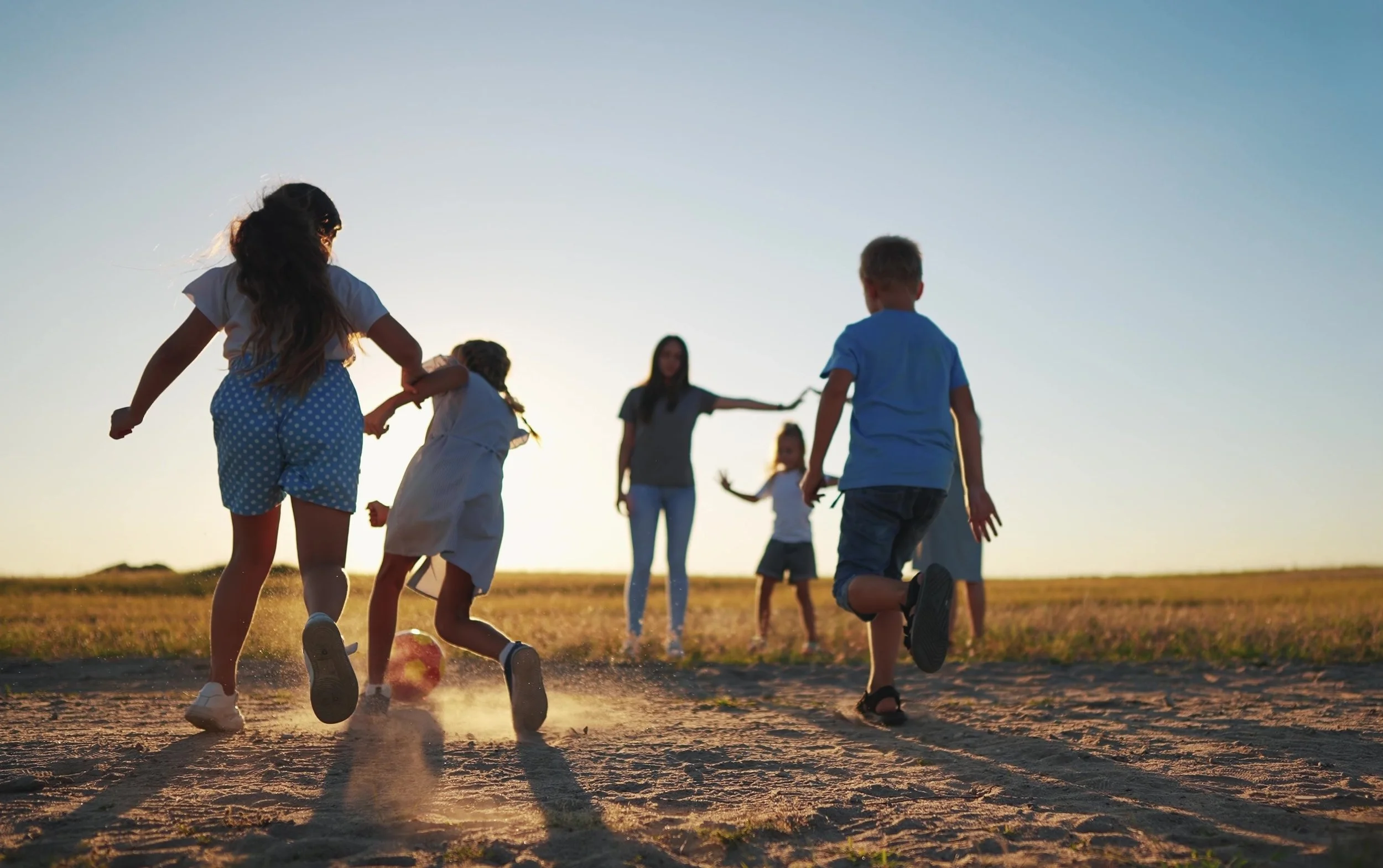
From the Geary Girls Ranch to a Community Built for Families
In the beginning, the organization operated as the Geary Girls Ranch, a faith-based foster home serving teenage girls. It was a place built on dignity, structure, and the belief that children thrive when they are genuinely cared for. But over time, one reality became impossible to ignore: siblings entering foster care were being separated simply because there were not enough homes able to take them in together.
Recognizing this unmet need, the mission evolved. The organization expanded its focus to serve children of all ages and sibling groups, creating an environment where brothers and sisters could remain together while receiving the stability and support they desperately needed. As the vision grew, so did the name: Geary Foster Foundations—reflecting a commitment to building the foundations children need for the rest of their lives.
A Village Model Designed for Healing and Hope
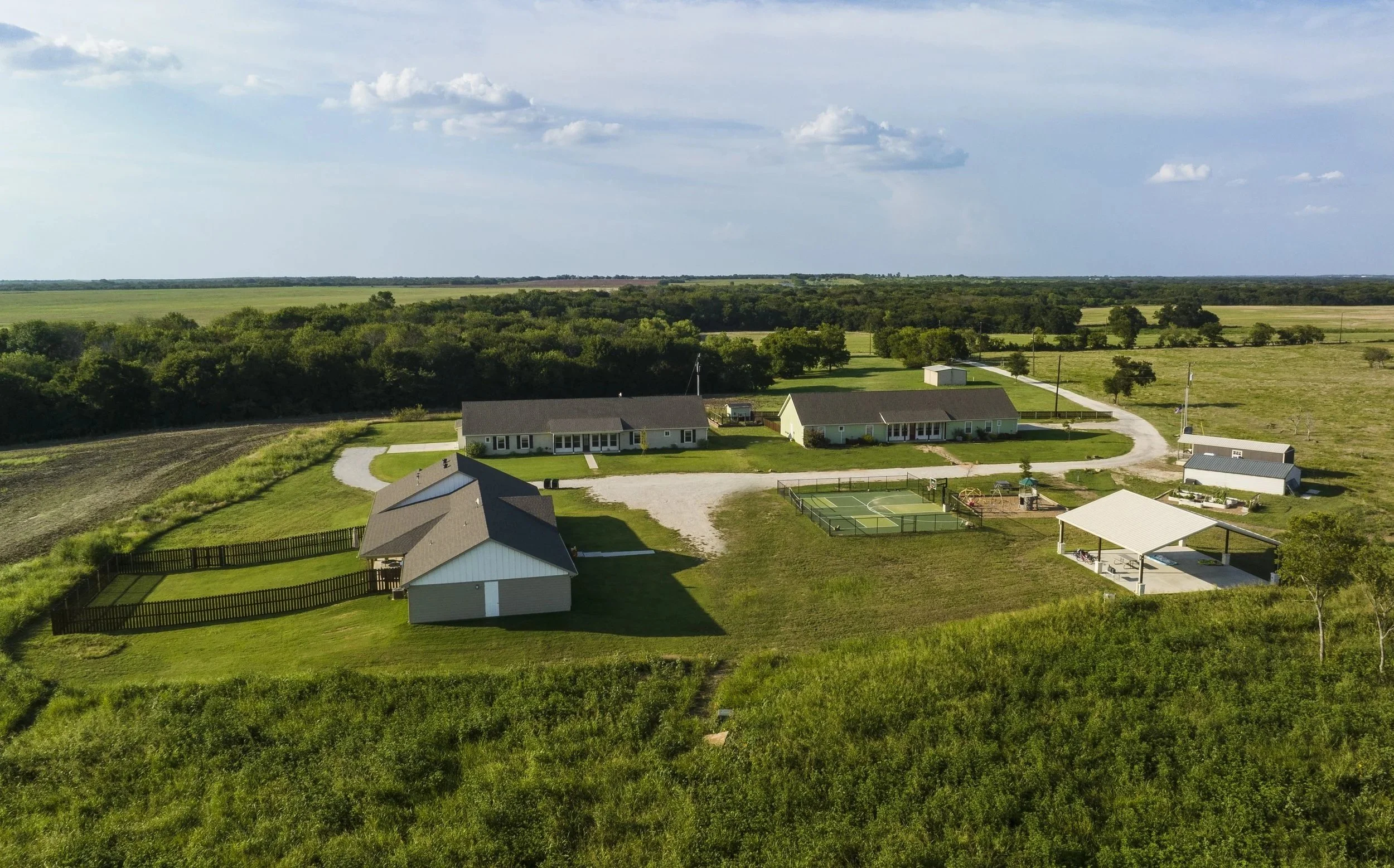
What sets GFF apart is its intentional design. Rather than placing foster families in isolated homes scattered across a county or region, GFF is building a 12-acre village community where families live within walking distance of one another. Each home is independently licensed and operated by foster parents committed to caring for up to six children, yet no parent or child walks this journey alone.
Within the community, children enjoy outdoor space, opportunities to play, and familiar routines that help restore confidence and stability. A pavilion serves as the “heart of the community,” providing a place for celebrations, gatherings, and connection. A sports court, community garden, and quiet spaces offer outlets for creativity, independence, and growth.
This environment allows children to heal while experiencing the kind of support and belonging that can only be created when families share life together.
A Mission Rooted in Belief and Purpose
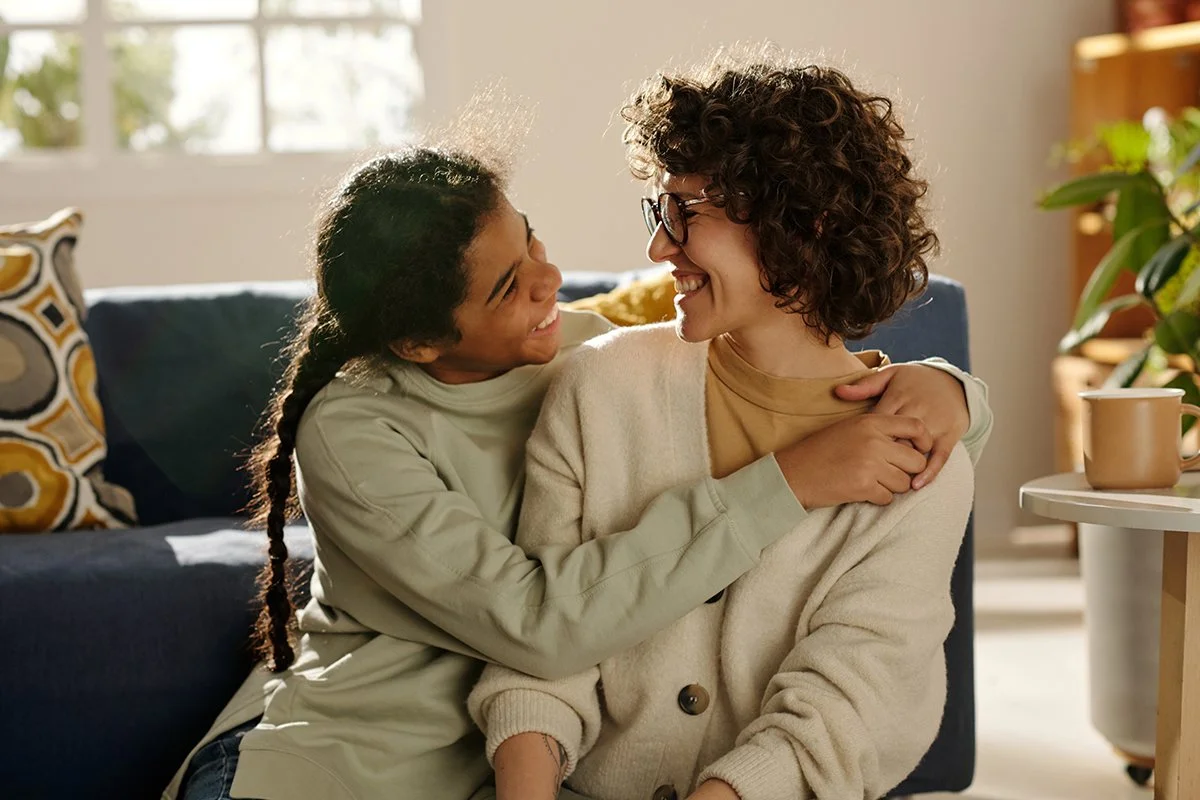
The work of GFF is shaped by foundational beliefs that guide every decision, every program, and every home. We believe each child is a unique individual with inherent value, strength, and dignity. We believe children thrive in environments built on respect, compassion, integrity, and consistency. And we believe that building a strong foundation today creates lasting opportunity for tomorrow.
These principles inspire the way foster parents are supported, how homes are built, and how the community continues to grow.

Privately Funded. Debt-Free. Driven by Faith and Generosity.
Since its beginning, GFF has relied solely on private donations and the generosity of individuals who believe in the mission. The organization is 100% volunteer-led and operates completely debt-free, allowing resources to flow directly into caring for children and expanding the community.
Every home built, every child welcomed, and every program offered is a testament to the families, donors, and volunteers who continue carrying forward the Geary legacy.
Continuing the Vision
Today, Geary Foster Foundations includes three foster homes with plans to expand to eight, along with a future community center for tutoring, mentoring, counseling, enrichment classes, and shared family space. More than 62 children have lived at GFF—95% of them siblings—each finding safety, support, and the freedom to be children again.
Our story is still being written. It grows every time a child arrives with uncertainty and leaves with hope, every time a volunteer lends a hand, and every time a family says yes to fostering within this community.
At GFF, we are building more than homes. We are building futures, restoring family connections, and proving that community can transform the foster care experience.